
Whether you are just beginning to think about building your dream home or you have been planning for years, one of the most exciting steps in the process is choosing a style that truly reflects who you are. Across North America, homeowners have a remarkable variety of architectural directions to explore, each with its own character, advantages, and practical appeal. The good news is that no matter which style speaks to you, today’s custom prefabricated home packages make it easier than ever to bring that vision to life without compromise.
Finding The Perfect Design For You
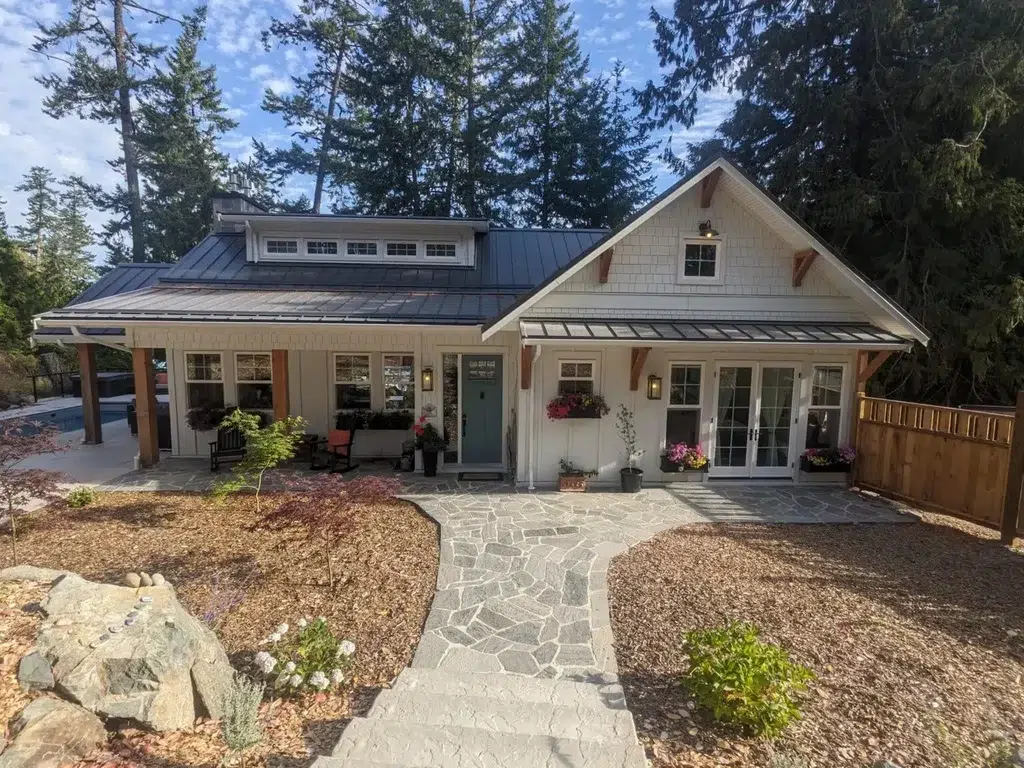
Cottages
Few architectural styles carry the same sense of warmth and character as the cottage. These are homes that feel lived-in from the moment you step through the door. They feature gabled rooflines, covered porches, open interiors, and an overall atmosphere that instantly puts people at ease.
Cottages have long been a favourite for lakeside retreats, rural getaways, and vacation properties across Canada and the United States. Their charm translates just as well to year-round living, appealing to those who want a primary residence that feels like a private sanctuary. The open-concept layouts found in many cottage designs also make them surprisingly efficient for families who want shared spaces that encourage togetherness. If you have ever spent a long weekend at a friend’s cabin and thought, “I could live here,” a cottage plan might be exactly what you have been picturing.
Carriage Homes
Once built to shelter horses and house coachmen above, the carriage house has been reimagined for modern living in a thoroughly practical way. Today’s versions feature a garage or workspace on the ground level, with a complete living area occupying the upper floor. They are a natural choice for property owners who want to add a guest suite, a rental unit, or a private space for extended family members, without sacrificing the garage.
Carriage houses are especially popular in suburban and rural settings where lot sizes allow for a secondary structure. Because they make full use of vertical space, they are an efficient way to add square footage to a property without expanding its footprint. For homeowners thinking about long term property value or a passive income stream, a well designed carriage house can be a smart investment on top of a beautiful one.
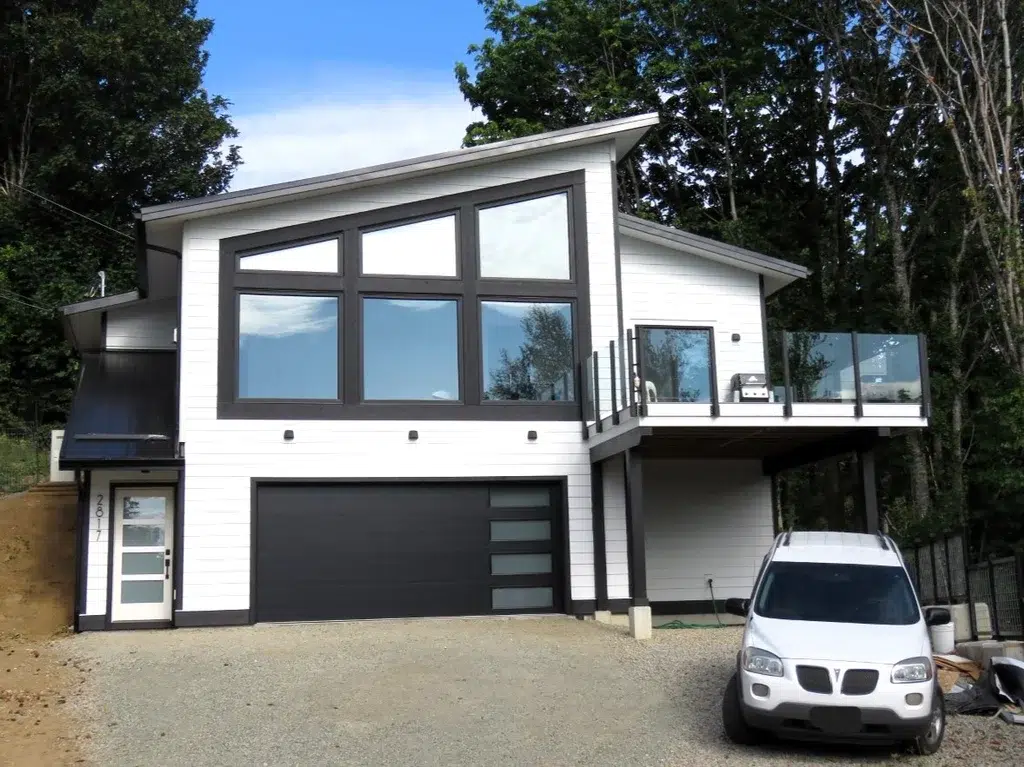
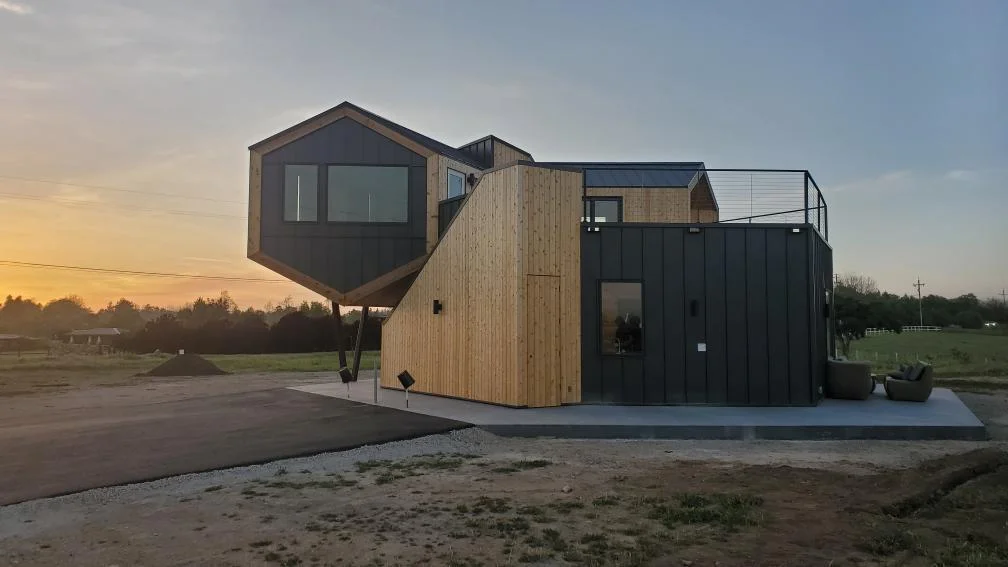
Contemporary Modern Designs
Clean lines, deliberate simplicity, and a strong emphasis on function are the defining characteristics of the modern home. They continue to capture the imagination of buyers across the continent. Modern architecture strips away ornamentation in favour of form that serves a genuine purpose, resulting in spaces that feel open, calm, and effortlessly sophisticated.
Energy efficiency is central to most contemporary builds, with many incorporating sustainable materials, solar panels, geothermal heating systems, and smart home technology from the ground up. Large windows are another hallmark of the style, flooding interiors with natural light while creating a visual connection between the indoors and the landscape beyond. For anyone who appreciates intentional design and wants a home that is as efficient as it is striking, a modern floor plan offers a compelling combination of aesthetics and practicality.
Ranchers
The rancher, ranch-style home, has been a cornerstone of North American residential architecture for decades, and its appeal has not faded. Built across a single floor with a long, low profile and an easy relationship between interior and exterior spaces, these homes offer a way of living that many people find deeply comfortable.
Single-level living is a priority for a wide range of homeowners: those with young children, those planning for the future, and those who simply appreciate the ease of moving through a home without navigating stairs. Rancher designs typically embrace open floor plans that allow common areas to flow naturally into one another, and they often include generous access to patios, decks, and yards. The result is a home that encourages outdoor life rather than separating it from everyday routines.
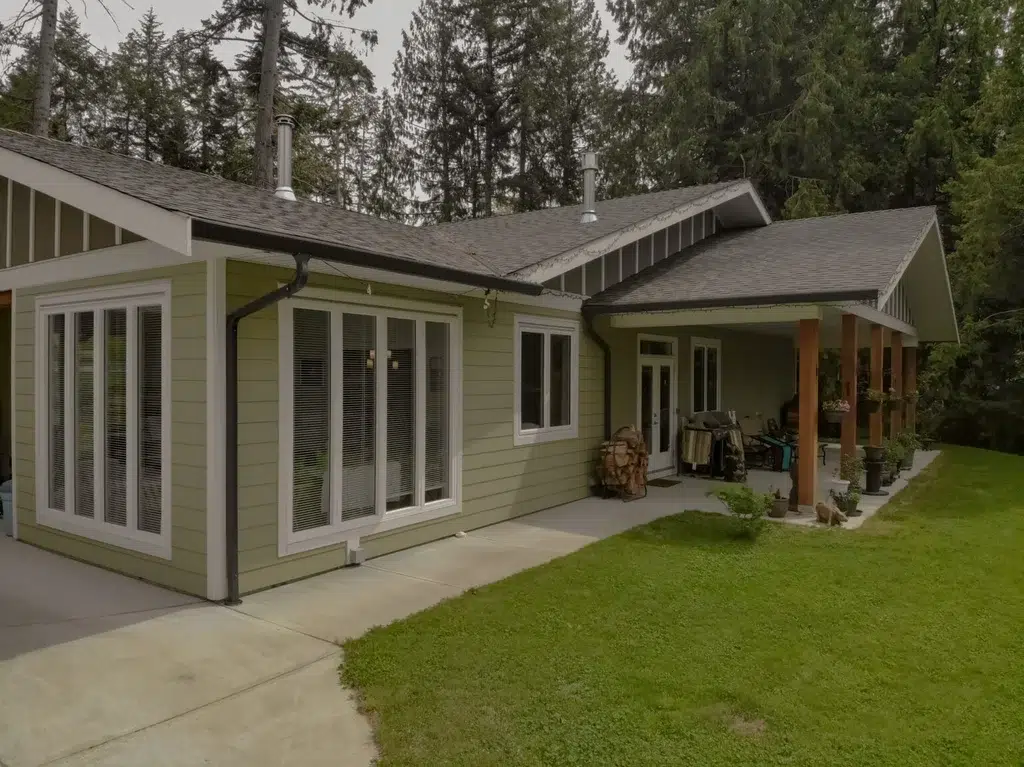
Small and Tiny Homes
Smaller does not mean lesser. In fact, for many homeowners, a thoughtfully planned compact home offers a quality of life that a larger property simply cannot match. Lower maintenance demands, reduced energy costs, and the freedom that comes with a more modest mortgage are all part of the appeal.
All of the small house designs in Pacific Homes’ collection come in under 2,000 square feet, but they are designed to feel expansive through smart layouts, high ceilings, and open-concept arrangements that eliminate wasted space. Flex rooms, which are areas that can function as a home office, a guest room, or a studio depending on the season, are a popular feature in this category. Whether you are looking to build a full-time residence, a cabin, or a retreat that requires minimal upkeep, a smaller home can be an exceptionally satisfying place to live.
Two-Story Houses
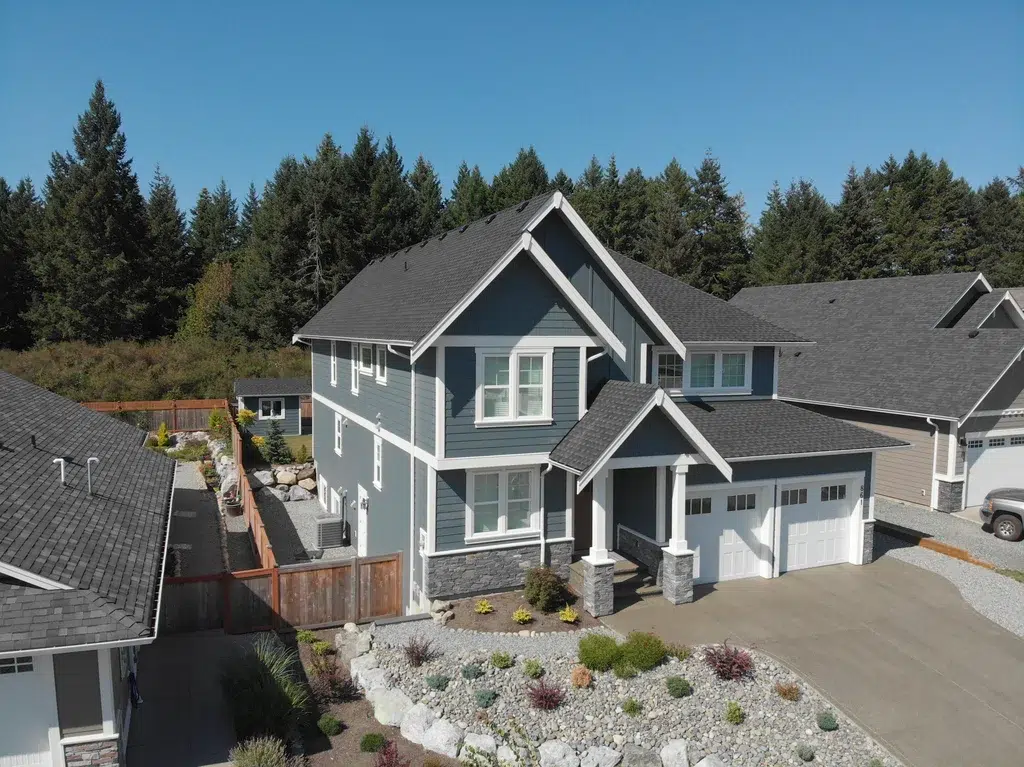
For families who need room to grow, the two-story home remains one of the most practical configurations available. By stacking living space vertically, these designs maximize square footage on a given lot while leaving ample room for outdoor space at grade level. They are also smart economically as their foundation accommodates twice the square footage of a rancher.
The typical layout places common areas, the kitchen, dining room, and living room, on the main floor, with bedrooms and private spaces on the upper level. This natural separation between social and personal areas gives family members a sense of their own territory without the house feeling disconnected. Two-story plans cover an enormous range of sizes and styles, from modest four-bedroom builds to expansive multi-bathroom designs with bonus rooms and lofts. Whatever the square footage, the vertical arrangement tends to make two-story homes feel substantial and well-organized.
Craftsman and Farmhouse Styles
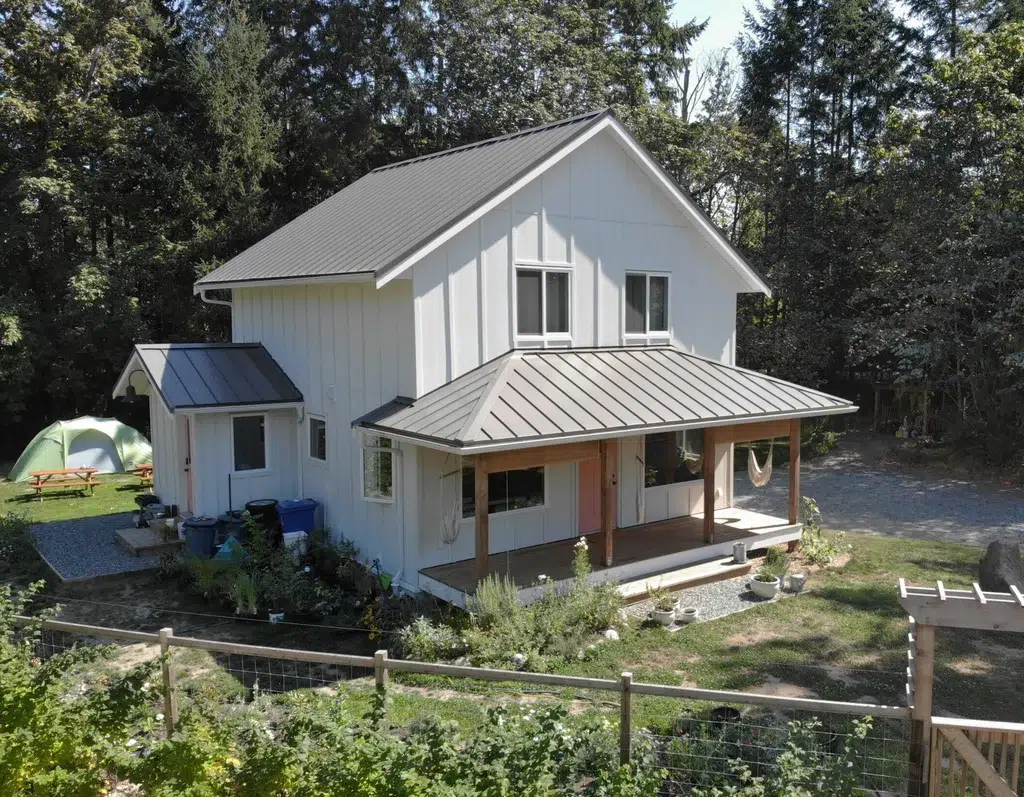
Two additional styles that have seen an enormous surge in popularity across North America are the Craftsman and the farmhouse. The Craftsman tradition, rooted in early twentieth-century North American architecture, celebrates handcrafted detail: exposed rafter tails, tapered columns, built-in cabinetry, and a richly textured exterior that feels both historic and enduring. These homes are particularly popular in the Pacific Northwest and across Canada, where their warm, artisan character resonates with buyers who value craftsmanship over speed.
The farmhouse aesthetic, meanwhile, has broadened well beyond rural settings. Whether in a suburban neighbourhood or on acreage, farmhouse-inspired homes are defined by a welcoming presence, a practical layout, and generous gathering spaces centered on the kitchen. Shiplap cladding, metal rooflines, barn-style doors, and a neutral, earthy palette are all elements that contribute to the look. Together, these two styles share a commitment to homes that feel built with intention and care. Many of the projects we are building today feature aspects borrowed from each of these styles.
Our expert team of build specialists can help you throughout the entire build project. Get in touch today to learn more about the benefits of building prefab in your area.
Tropical Floor Plans
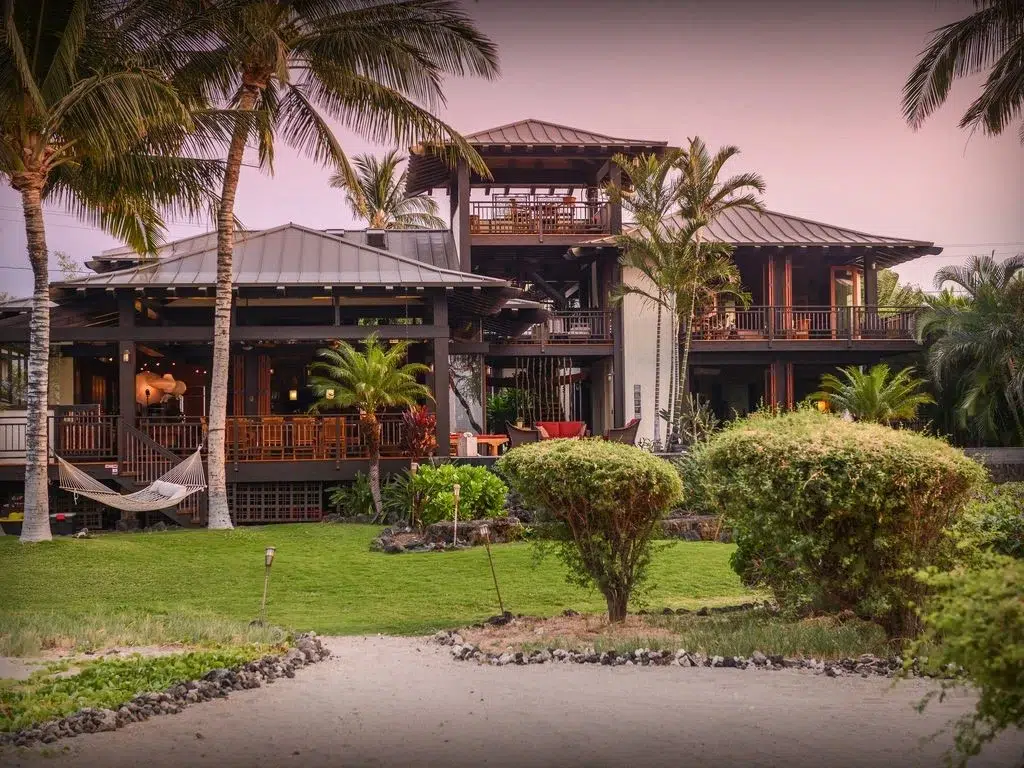
Sunshine, cross-ventilation, and a relaxed connection to the outdoors are the guiding principles behind the tropical home. Originally developed for warm, humid climates in Hawaii, the Caribbean, Florida, and coastal regions across the southern United States and Mexico, this style has spread considerably as more people seek a residential aesthetic that feels like a permanent vacation.
Raised foundations, deep-set covered porches, high ceilings, and large louvered or casement windows are classic features that promote airflow and shade. The emphasis is on keeping interiors cool naturally while blurring the boundary between inside and outside. Tropical plans tend to be relaxed in their layout, favouring broad, open spaces over formal room arrangements. For anyone building near the water, a tropical-inspired design can feel like the perfect fit.
Mid-Century Modern
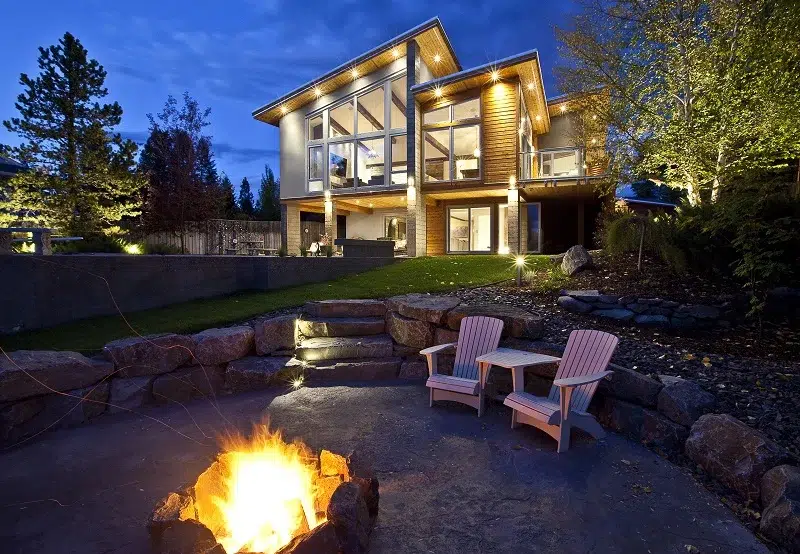
Few residential styles have proven as persistently magnetic as mid-century modern. Originally emerging between the 1940s and 1960s, this approach to design has never really left the cultural conversation. Its combination of clean geometry, open interior flow, and a seamless dialogue between the home and its natural surroundings continues to feel as fresh today as it did when it first appeared.
The hallmarks are well known: flat or low-pitched rooflines, large expanses of glass, post-and-beam construction, and a deliberate use of natural materials like wood and stone alongside more industrial choices such as steel and concrete. Floor-to-ceiling windows, cantilevered sections, and open-plan living areas all work to integrate the home into its surrounding environment. For anyone drawn to architecture that feels both timeless and forward-thinking, a mid-century modern floor plan offers what is difficult to replicate in any other style.
Mountain and Chalet Styles
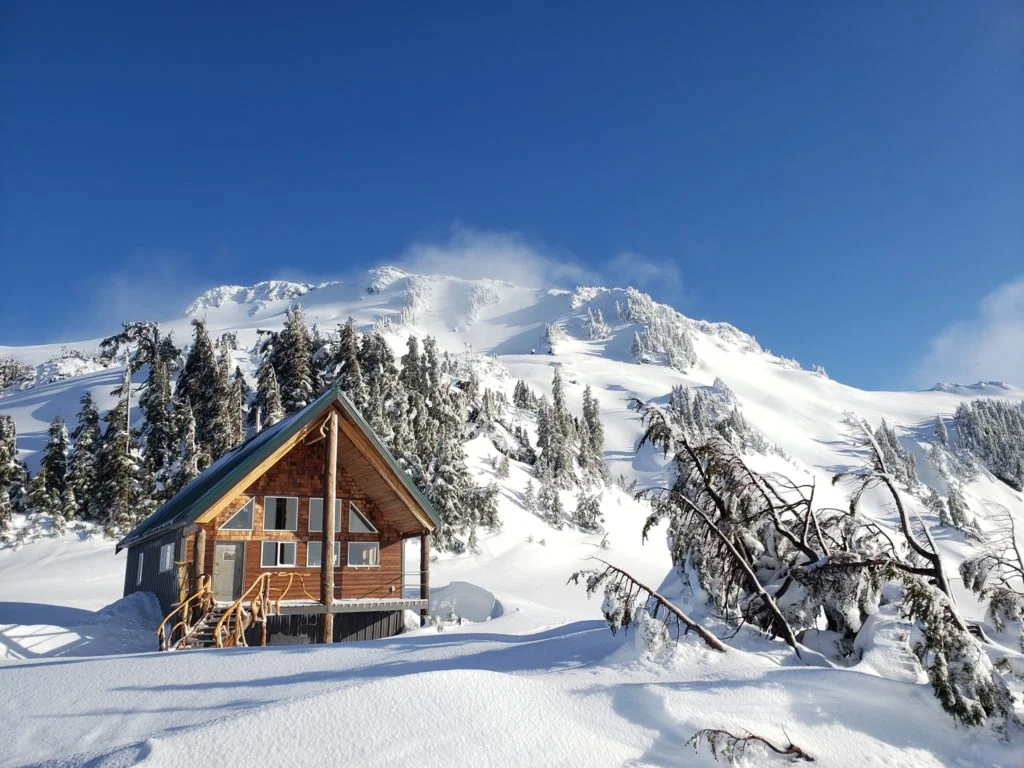
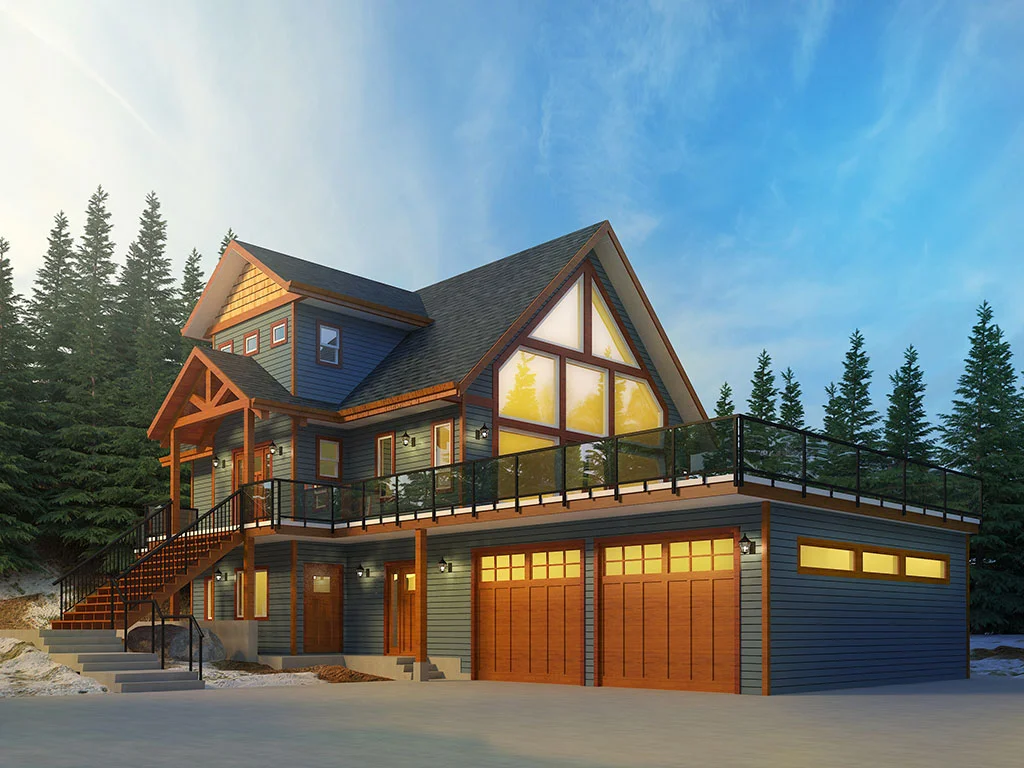
Few home styles command a setting quite like the mountain chalet. They are defined by steeply pitched rooflines built to shed heavy snow loads, deep overhanging eaves, heavy timber construction, and generous use of stone. Originally inspired by the alpine lodges of Switzerland and the mountain retreats of the American and Canadian West, the style has evolved into one of the most sought-after looks for anyone building themselves a family home.
Inside, the character is equally compelling. Vaulted great rooms are often anchored by a central stone fireplace with exposed timber beams overhead, and walls of glass. Outdoor living is central to the lifestyle, with wraparound decks, covered porches, and direct access to the surrounding landscape are standard features. Pacific Homes’ timber framing expertise makes it a particularly natural fit, with hybrid and full timber frame options available to achieve that signature look at a range of budgets.
Mediterranean and Spanish Colonial Revival
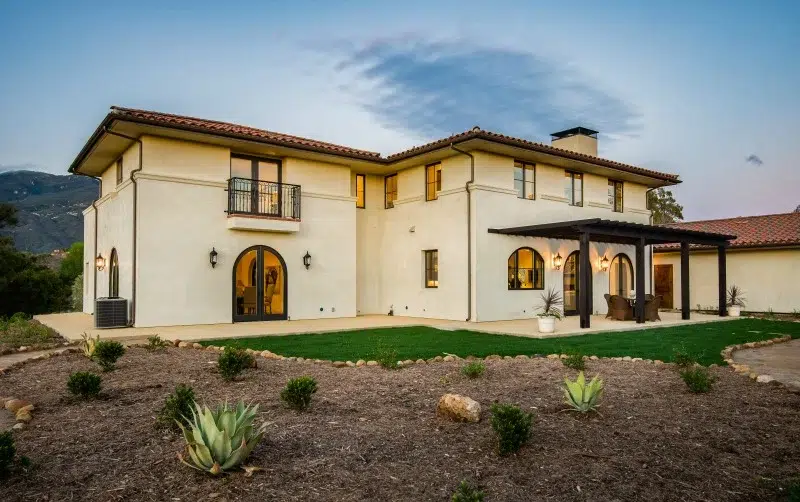
Warm terracotta roof tiles, textured stucco exteriors, arched doorways, and interior courtyards that invite the breeze, the Mediterranean style carries an unmistakable sense of ease and abundance. Rooted in the architecture of southern Europe and North Africa, it took hold across the southern United States in the early twentieth century and has remained one of the most searched residential aesthetics on the continent ever since. In Canada, it resonates strongly in warmer regions and among homeowners who want an exterior presence that feels as welcoming as it does distinctive.
The Spanish Colonial Revival variation leans into the historical character of the tradition. With heavy wooden beams, decorative tile accents, wrought iron details, and interior spaces organized around light-filled central areas. Often with a colour palette drawn from the earth and sky, these are homes with genuine personality. For a lot that calls for presence and warmth in equal measure, Mediterranean-inspired architecture is a compelling place to start.
Cape Cod
Named after the Massachusetts peninsula where the style took root in the seventeenth century, the Cape Cod is one of the most recognizable and enduringly popular home forms in North America. Its appeal is immediate and intuitive with its steeply pitched roofline, a symmetrical facade, a central front door flanked by shuttered windows, and a sense of solidity that suggests the home has been there forever and intends to stay.
What makes the Cape Cod so well-suited to modern living is its inherent practicality. The compact footprint keeps construction costs manageable, while the steep roof naturally creates usable upper-floor space for bedrooms or a bonus room, often accessed by a central staircase. Dormers are a common addition, bringing light and headroom to the upper level while adding exterior character at the same time. For homeowners who want a home with genuine curb appeal, a timeless character, and a layout that works hard for its square footage, the Cape Cod remains one of the most satisfying choices available.
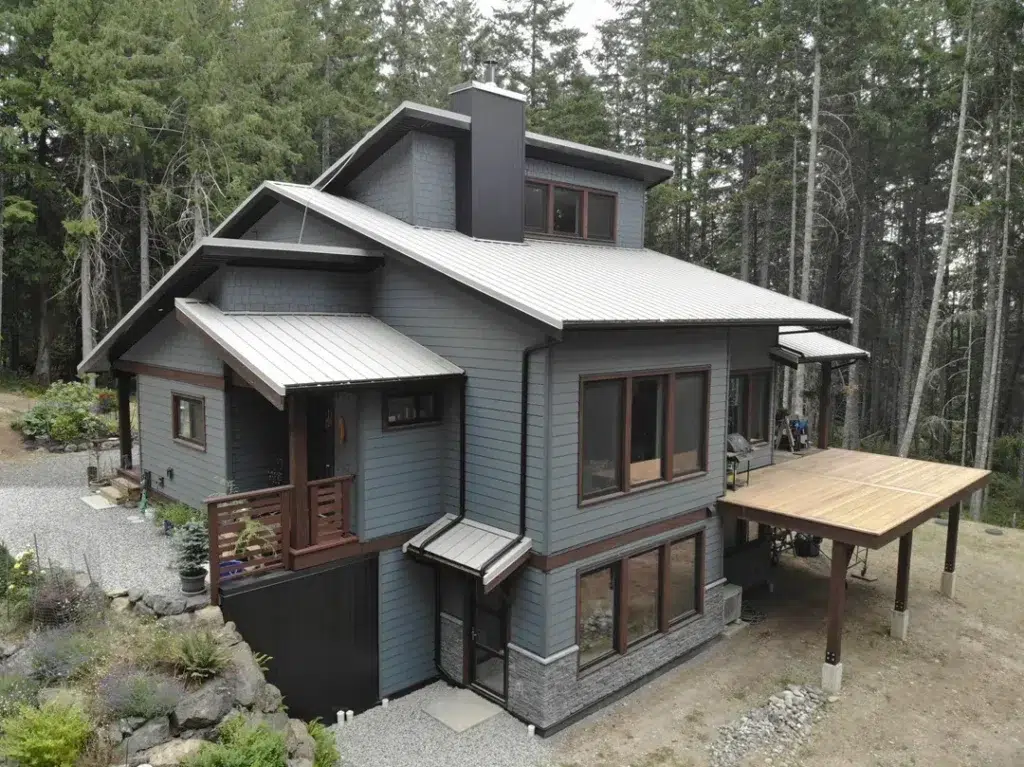
West Coast Styling
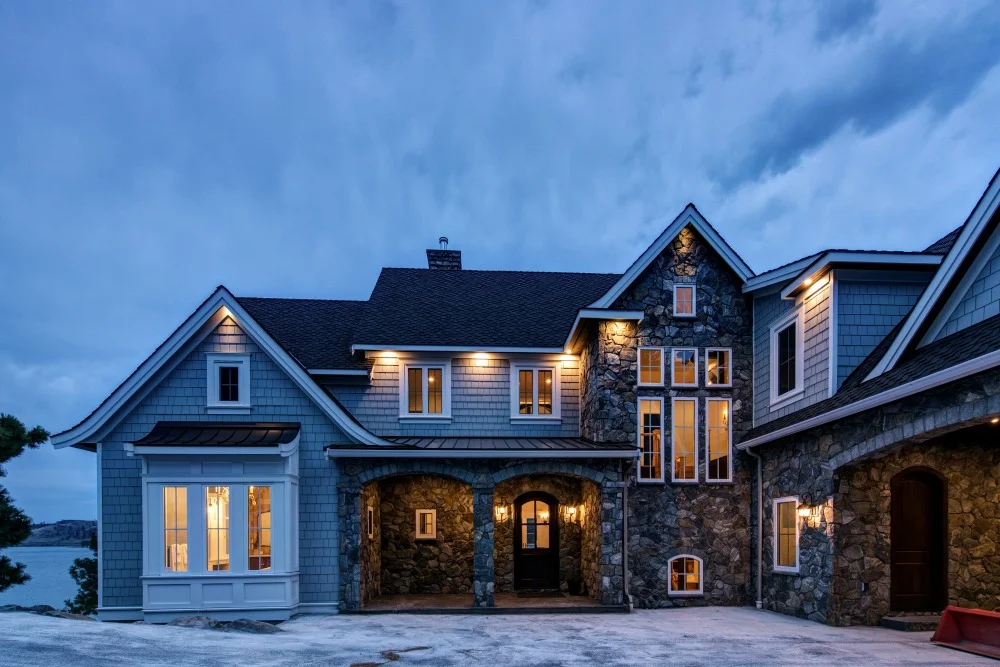
Rooted in the breathtaking natural environment of British Columbia, Washington, Oregon, and beyond, West Coast Style architecture is defined by its relationship with the landscape around it. These homes are built to complement their surroundings rather than compete with them. This is a philosophy that shows up in every design decision, from the materials chosen to the orientation of the structure on the lot.
Generous windows and glass doors capture views and bring the outside in, while timber framing details lend warmth and authenticity to both interior and exterior spaces. Open floor plans encourage air and light to move freely through the home, and a strong connection to outdoor living areas reflects the West Coast lifestyle at its best. This is a style with deep roots in the Pacific Northwest building tradition, and it continues to resonate strongly with homeowners who want a residence that feels genuinely of its place.
Duplex and Multi-Family Homes
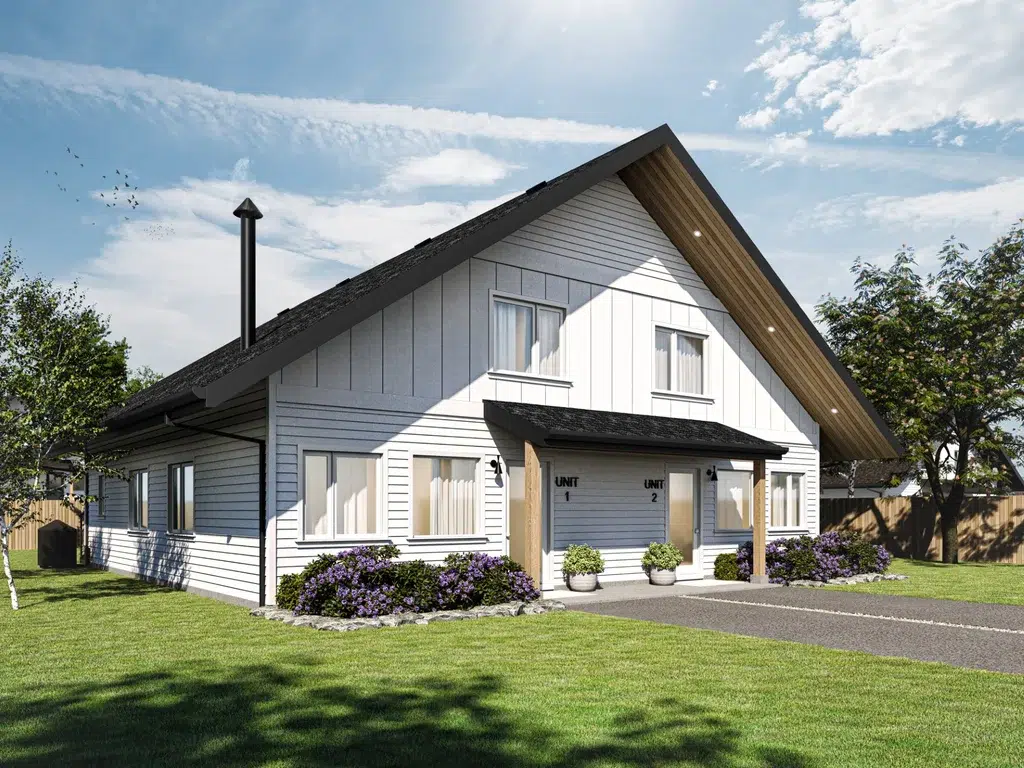
Dual-income properties and multi-family designs have become some of the most talked-about options in the housing market, and for understandable reasons. As land values rise in many urban and suburban communities, building upward and inward makes a great deal of financial sense.
A duplex combines two independent living units within a single structure, allowing owners to live in one unit while renting out the other, or to house two generations of a family under one roof while maintaining a meaningful degree of independence. Multi-family plans take this concept further, accommodating three or more households on a single lot. These properties are becoming increasingly common in areas where housing supply is tight, and they represent a forward-thinking approach to making the most of available land. For builders and homeowners alike, the flexibility they offer is hard to match.
Finding the Right Fit
With so many compelling directions to consider, it is worth remembering that none of these categories are fixed boxes. The most satisfying homes are often those that blend elements from multiple styles.
That flexibility is at the heart of how Pacific Homes approaches every project. Whether you arrive with a fully developed vision, a rough sketch, or simply a sense of the feeling you want your home to create, our team works with you to develop a plan that is entirely your own. More than 95% of the homes we build are customized to reflect the personal preferences of the people who will live in them. Ultimately, that is what a dream home means.
If you are ready to explore which style fits your life and your land, we would love to be part of the conversation. Reach out to one of our Build Specialists today for expert guidance and a free quote.