What is an Accessory Dwelling Unit?

An ADU is a secondary housing unit located on the same property as a single-family home. These self-contained living spaces include their own kitchen, bathroom, sleeping area, and entrance, making them fully independent from the main residence.

These units go by many names depending on your region:

      • Accessory Dwelling Unit
      • Auxiliary Dwelling Unit
      • Granny flat or granny suite
      • Mother-in-law suite or in-law apartment
      • Secondary suite
      • Backyard cottage
      • Carriage house
      • Garden suite
      • Laneway house
      • Casita

No matter what you call them, accessory dwelling units represent a smart way to maximize your property’s potential while addressing the growing demand for affordable housing.

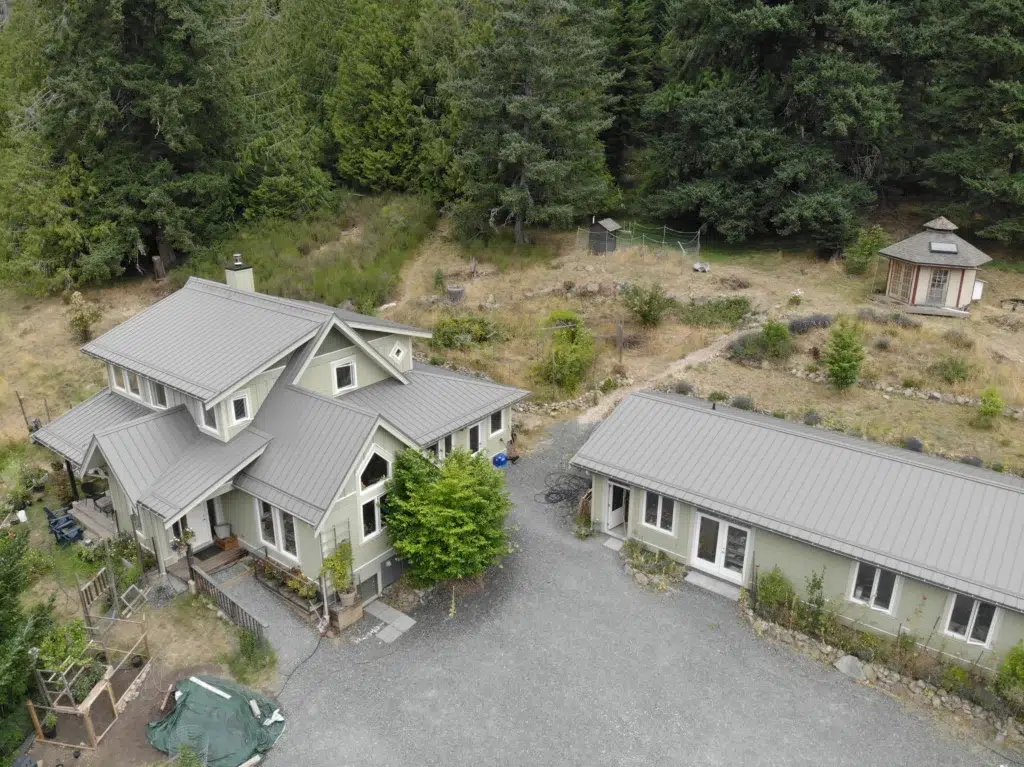
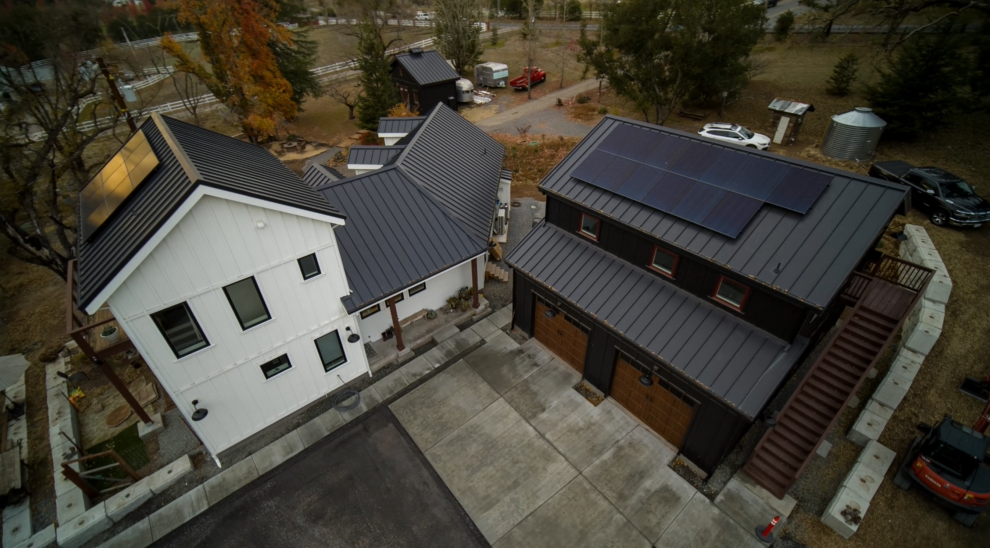
Custom house with a detached garage

Types of Secondary Suites

Understanding the different types of units can help you choose the right option for your property:

Detached Units

A completely separate structure built in your yard or garden. These offer maximum privacy for both you and your tenants or family members. Detached structures can range from small studios to two-bedroom homes.

Attached Units

Connected to your main home, these dwellings share at least one wall with the primary residence. They’re often built above garages or as additions to the side of the house, providing easier access to utilities.

Garage Conversion Units

Transform your existing garage into a functional living space. This option typically costs less than building from scratch since the structure already exists.

Basement Conversion Units

Also called basement apartments, these convert unused lower-level space into a rental unit or living quarters. They’re particularly popular in areas where lot sizes limit outdoor construction.

Internal Units

Created within the existing footprint of your main home, perhaps by converting an attic, spare room, or creating a separate apartment entrance within your house.

Junior ADUs (JADUs)

Smaller units (typically under 500 square feet) carved out of existing space within a single-family home. These may share some facilities with the main house, such as a bathroom, making them more affordable to create.

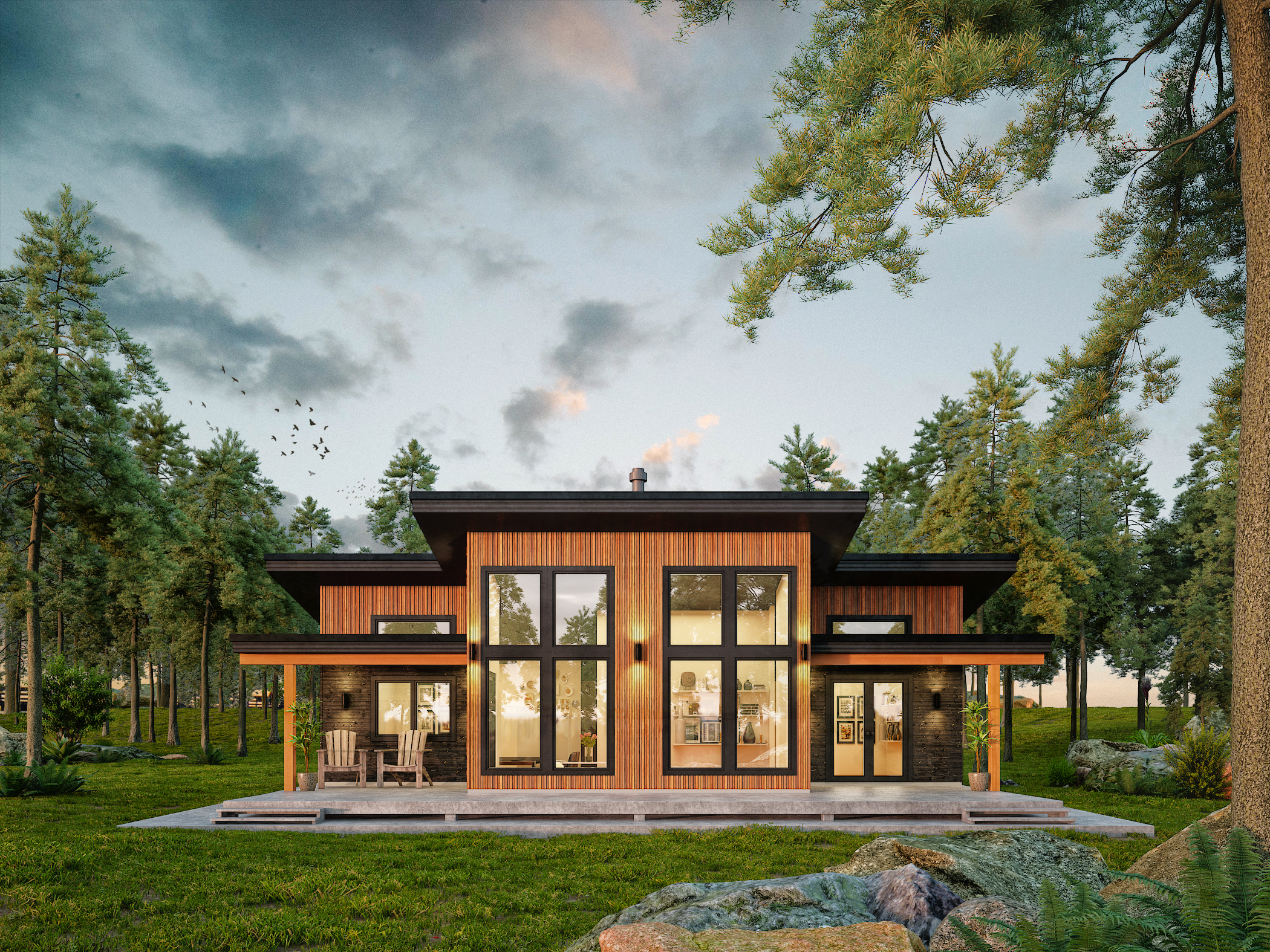
The Napa house plan with seamless indoor-outdoor living space

Pre-Approved Plans: A Faster Path to Construction

Some municipalities offer pre-approved plans that streamline the permitting process. These ready-to-build designs come with several advantages:

  • No-cost or low-cost plan sets provided by local governments or regional councils
  • Expedited permitting with faster approval turnaround
  • Reduced design costs since architectural plans are already complete
  • Proven compliance with local building codes and zoning requirements

Pre-approved plans typically include multiple size options, from compact 480-square-foot studios to spacious 1,000-square-foot two-bedroom units. Options often include single-story layouts, two-story designs, and carriage house configurations built above garages.

When using pre-approved plans, you’ll still need to submit a site plan showing dimensions and how the structure will be situated on your property, but the core design work is already approved.

Key Benefits of Building a Secondary Suite

Generate Substantial Rental Income

Renting out a secondary dwelling can provide significant passive income depending on your location, unit size, and amenities. The region that you live in will have the most profound effect on the amount of rental income you can earn. Fortunately, the expected rental income will often align nicely with the cost of construction in your area. Many homeowners find that their investment pays for itself within several years through consistent rental revenue.

Alternatively, some homeowners choose to rent out a suite on their property using sites such as Airbnb or Vrbo. This option can provide a substantial secondary stream of revenue while allowing you to choose which days it is available for guests. This flexibility ensues you can still have the space available when friends or family come to visit.

Increase Your Property Value

According to the National Association of Realtors, properties with accessory dwelling units are priced approximately 35% higher on average than comparable homes without them in large metropolitan areas. Additionally, a 2025 Federal Housing Finance Agency study found that properties with these units appreciated 22% more than properties without them over a ten-year period. Research shows that well-designed secondary suites can add significant equity to your property, making them attractive to future buyers who see the income-generating potential.

Provide Multigenerational Living Options

Secondary suites allow aging parents to live independently while remaining close to family for support and caregiving. They also provide privacy for adult children returning home or extended family members who need their own space.

Create Flexible Living Space

Use your unit as a home office, art studio, gym, guest house, or personal retreat. The versatility means you can adapt the space as your needs change over time.

Support Affordable Housing

By adding density to existing neighborhoods, accessory dwelling units help address housing shortages without changing neighborhood character or requiring new infrastructure.

Enjoy Tax Benefits

Unit-related expenses may be tax-deductible as business expenses if you rent out the space, potentially providing additional financial advantages.

Vancouver Island home with pottery studio

Understanding Requirements and Regulations

While regulations vary by jurisdiction, here are common considerations:

Size Limitations

Many jurisdictions allow secondary units up to 1,000 square feet, though some permit larger structures based on a percentage of the main home’s size (often 60% of the principal dwelling).

Number of Units Allowed

Depending on local codes, properties may be permitted one or two accessory units per lot, in addition to the main residence. Some areas allow both an attached and detached structure on the same property.

Parking Requirements

Many municipalities have eliminated parking requirements for accessory dwelling units to encourage their construction, though some still require one parking space per unit. Recent code changes in various jurisdictions reflect a trend toward reducing or eliminating these requirements entirely.

Owner Occupancy

Historically, many areas required the property owner to live in either the main house or the accessory unit. However, this requirement is being removed in numerous jurisdictions to make development more feasible.

Setback and Design Standards

Secondary dwellings typically must comply with setback requirements, though some jurisdictions allow reduced side-yard setbacks (as little as 3 feet with proper fire-rated construction) or permit units to be built directly on rear property lines when adjacent to alleys.

Design Compatibility

Many codes require that accessory units complement the architectural style of the main residence and blend into the neighborhood, avoiding duplex-like appearances. Materials, colors, and roof pitches often need to harmonize with the primary dwelling.

Our catalogue of floor plans has a variety of designs that are perfect for a second structure on your property.

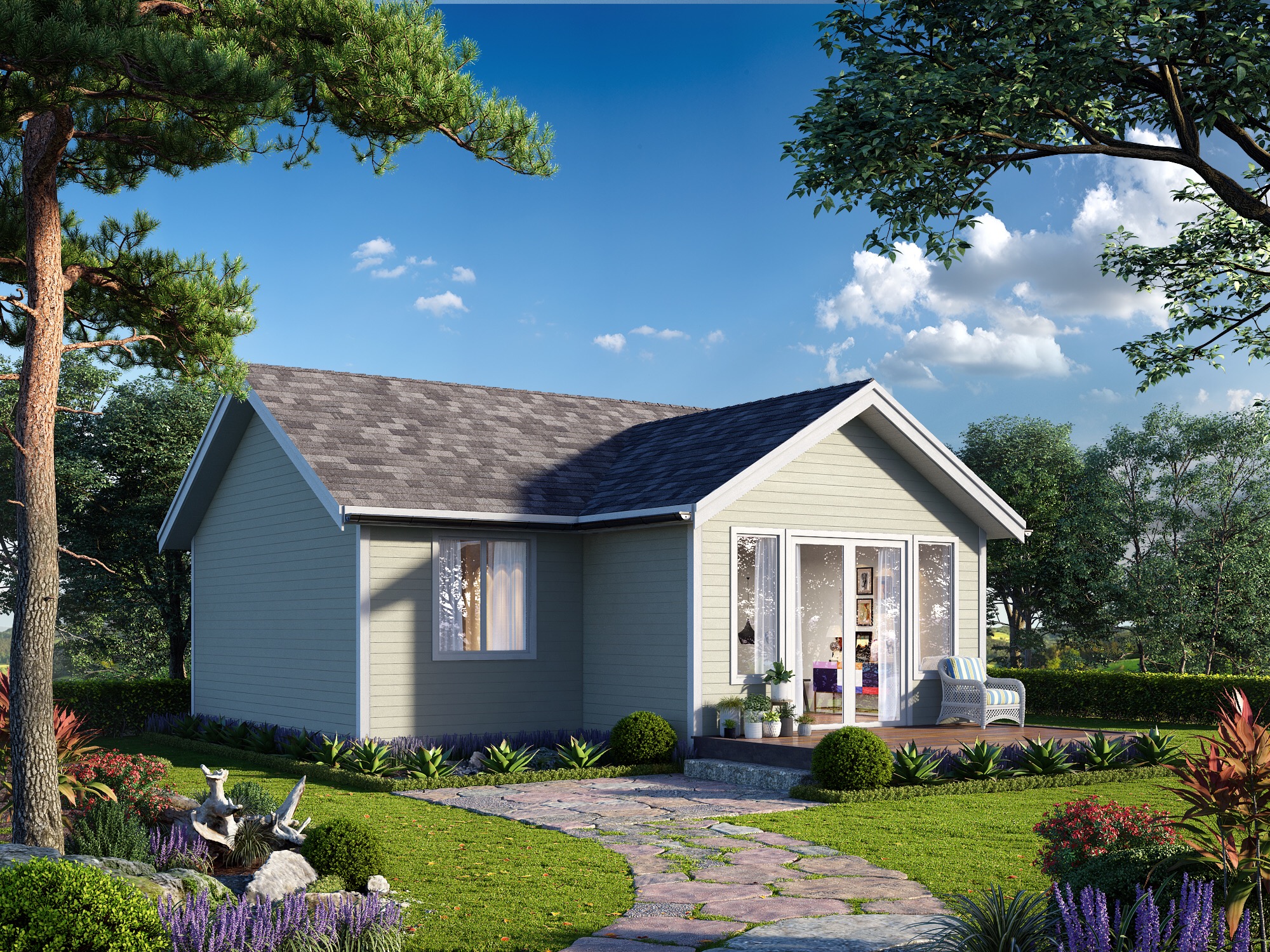
Hornby Cottage Secondary Suite House Plan

Maximizing Your Investment

Setting Competitive Rental Rates

Research comparable units in your area to determine appropriate pricing. Consider your dwelling’s size, amenities, location, privacy features, and parking availability.

Effective Tenant Screening

Implement a thorough screening process that includes income verification, credit checks, background checks, and references while complying with Fair Housing laws.

Property Management Options

Decide whether to self-manage or hire a property management company to handle tenant relations, rent collection, maintenance, and legal compliance.

Insurance Coverage

Update your homeowner’s insurance to include landlord coverage for the accessory unit, protecting against property damage, liability, and loss of rental income.

Clear Lease Agreements

Create comprehensive leases that define rent amounts, security deposits, utility responsibilities, maintenance expectations, and house rules.

Regular Maintenance

Keep your unit well-maintained to attract quality tenants, maximize rental income, and preserve property value.

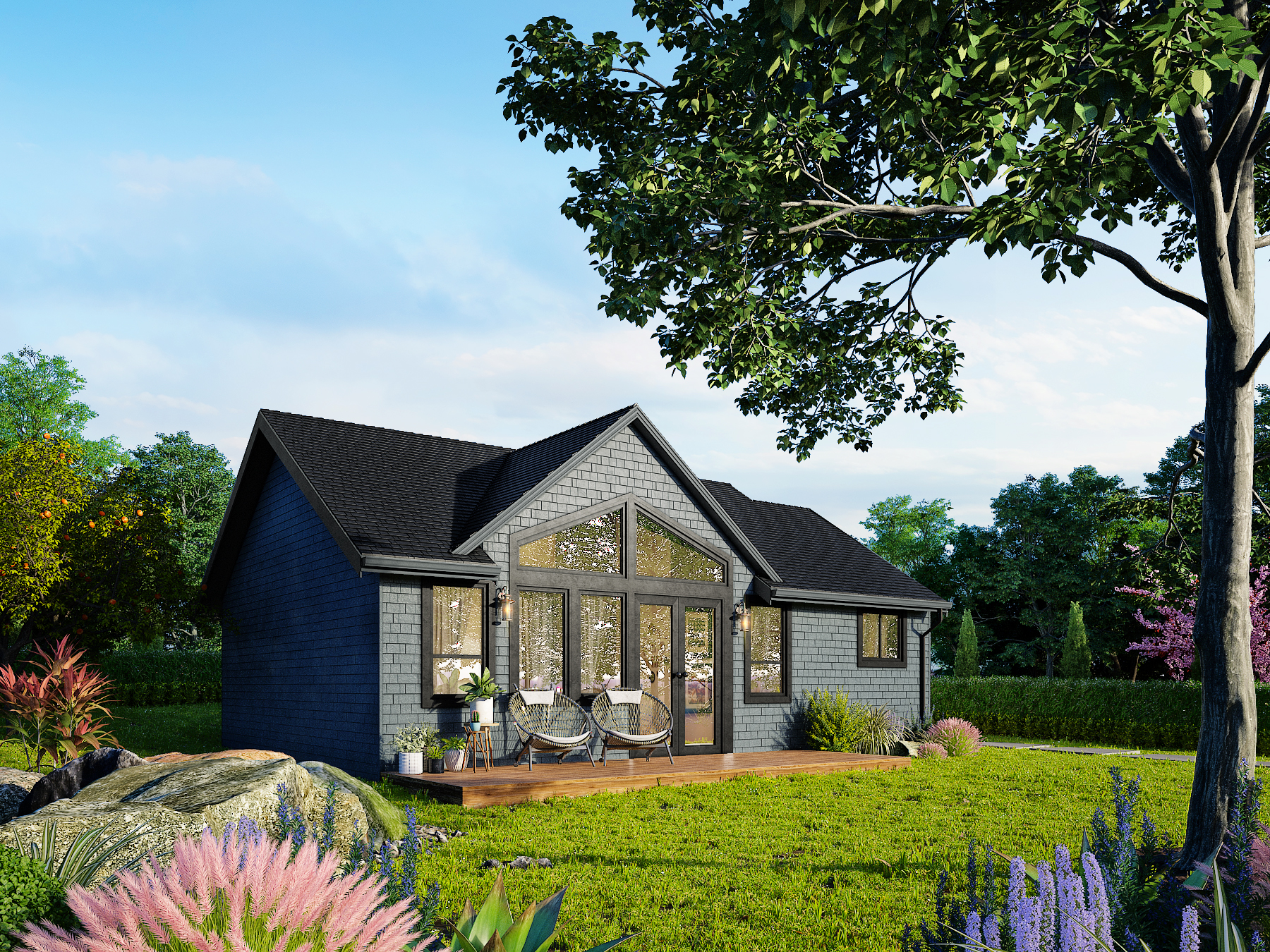
The Malcolm, one of our most popular house plans

Long-Term Investment Benefits

Beyond immediate rental income, accessory dwelling units provide lasting financial benefits:

  • Equity Growth: The added square footage and functionality increase your home’s overall value
  • Market Appeal: Properties with income-generating potential attract more buyers
  • Flexibility: Use the structure for rental income now and personal use later as needs change
  • Retirement Asset: Generate passive income during retirement years
  • Estate Value: Enhance what you pass on to heirs

Getting Started with Your Project

Pacific Homes specializes in making accessory dwelling unit development accessible and stress-free. Our prefab units are designed and engineered by our expert teams, ensuring your project will be a perfect fit for your property.

Once all the planning is complete, our pre-built wall components are then manufactured in our climate controlled facility. These pieces are then shipped to your site, and assembled in as little time as a single week!

Saturna

Frequently Asked Questions

How long does it take to build an accessory dwelling unit? This depends completely on where you are building, if you are wanting to customize your house plan, if your plan is pre-approved, and a variety of other factors. Get in touch with us and we will be happy to give you an expected timeline based off your unique situation.

Will a secondary suite affect my property taxes? Yes, adding a dwelling unit typically increases your property’s assessed value, which may raise annual property taxes. However, the rental income often more than offsets this increase.

Can I use my unit for short-term rentals? This depends on local regulations. Many jurisdictions restrict or prohibit short-term rentals of accessory units, while others allow them with proper licensing.

Do I need separate utility meters? Requirements vary. Some jurisdictions require separate meters, while others allow shared utilities. Consider who will pay utilities when deciding.

What if my HOA doesn’t allow accessory dwelling units? Some states have laws preventing HOAs from unreasonably prohibiting secondary suites. Check both state law and your HOA covenants, and consider requesting a variance.

Can I sell my unit separately from the main house? In some jurisdictions, accessory units can be sold separately through condominium conversion or unit lot subdivision, creating two distinct properties. However, many areas still require these structures to be sold with the main residence.

We'll Help You Through Every Step of the Process

Ready to explore how an accessory dwelling unit can transform your property? Contact Pacific Homes for a free consultation. Our team will assess your property, explain local requirements, discuss design options, and provide a detailed cost estimate for your project.

Let us help you unlock your property’s full potential with a beautiful, functional dwelling that meets your family’s needs and investment goals.